
Post
The History and Evolution of Bath Towels: From Ancient Times to Modern Luxury-2026
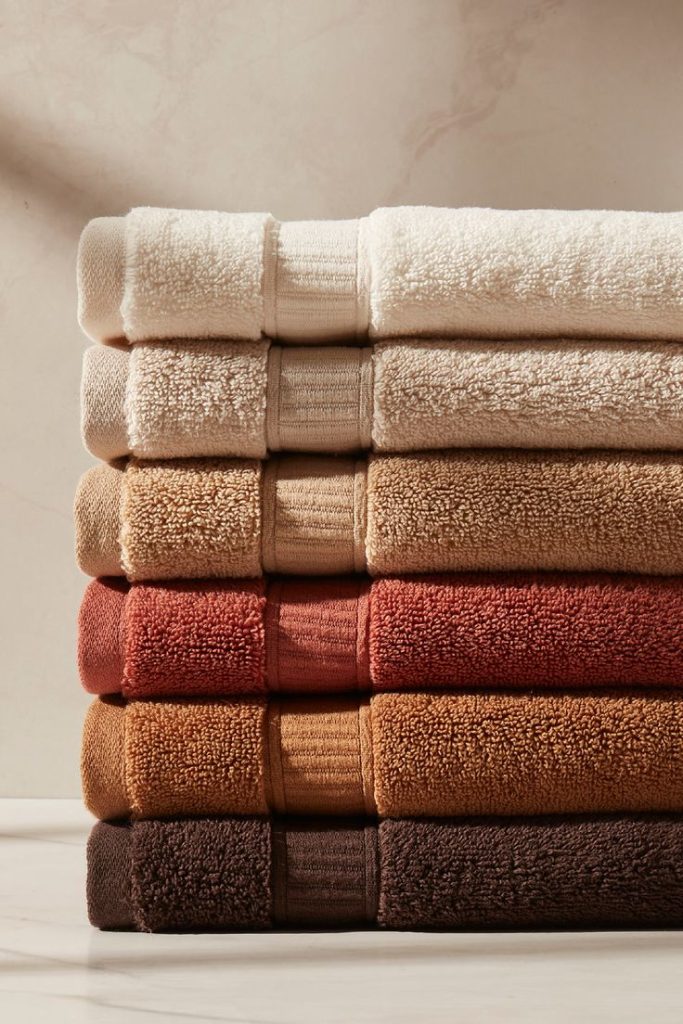
Jun
The History and Evolution of Bath Towels: From Ancient Times to Modern Luxury

Introduction
Bath towels are an indispensable part of everyday life. Most people use them daily without considering their fascinating history and development. From simple pieces of cloth used in ancient civilizations to today’s luxurious, highly absorbent products, bath towels have undergone remarkable transformations over thousands of years.
Modern consumers can choose from a wide variety of towel materials, designs, and sizes. However, the journey from ancient drying methods to contemporary luxury bath towels reflects advances in textile manufacturing, cultural traditions, and changing lifestyles.
This article explores the history and evolution of bath towels, examining how they developed over time and why they remain essential in modern households.
The Origins of Personal Drying Methods
Long before the invention of modern towels, people still needed ways to dry themselves after bathing.
Ancient civilizations often relied on:
- Pieces of linen.
- Animal skins.
- Wool fabrics.
- Simple cotton cloths.
The materials available largely depended on geographical location and climate.
Although these early drying methods lacked the softness and absorbency of modern towels, they fulfilled the basic need for personal hygiene.

Bathing Traditions in Ancient Civilizations
The history of towels is closely connected to the history of bathing.
Ancient Egypt
Ancient Egyptians highly valued cleanliness and personal hygiene.
Wealthy Egyptians often used finely woven linen cloths after bathing.
Linen was abundant because flax plants grew extensively along the Nile River.
Although these cloths differed significantly from modern towels, they represented early forms of personal drying textiles.
Ancient Greece
The Greeks considered bathing an important aspect of health and social life.
Public bathhouses were common throughout ancient Greece.
People frequently used lightweight fabrics to dry themselves after bathing and athletic activities.
Ancient Rome
The Romans elevated bathing culture to a new level.
Large public bath complexes became central social institutions.
Visitors often carried cloths known as “sudarium” to wipe sweat and moisture from their bodies.
Roman bathing traditions significantly influenced later European hygiene practices.
The Development of Textile Production
For centuries, towel production remained relatively simple.
Handwoven fabrics dominated textile manufacturing.
As weaving techniques improved, fabrics gradually became:
- Softer.
- More durable.
- More absorbent.
Advancements in spinning and weaving technologies allowed manufacturers to produce increasingly refined household textiles.
These innovations laid the foundation for modern towel production.
The Birth of the Modern Towel
The modern towel as we know it originated in the city of Bursa in present-day Turkey.
Turkish Influence on Towel History
During the seventeenth century, skilled Turkish artisans developed a unique weaving technique using cotton.
These textiles, known today as Turkish towels or “peshtemals,” became highly valued.
Characteristics included:
- Lightweight construction.
- Excellent absorbency.
- Elegant designs.
- Fast drying properties.
Turkish towel craftsmanship eventually gained international recognition.
Today, Turkish cotton remains one of the most respected materials in luxury towel manufacturing.
The Industrial Revolution and Mass Production
The Industrial Revolution dramatically transformed textile manufacturing.
Mechanized production introduced several important changes.
Increased Production Capacity
Factories could produce towels much more quickly than traditional handweaving methods.
This increased accessibility for ordinary households.
Improved Consistency
Machine production allowed manufacturers to maintain consistent quality standards.
Consumers could purchase towels with predictable characteristics.
Lower Costs
Mass production reduced manufacturing expenses, making towels affordable for larger populations.
The Industrial Revolution played a crucial role in establishing towels as common household necessities.
The Rise of Cotton Towels
Cotton gradually became the dominant material for towel production.
Several factors contributed to cotton’s popularity.
Excellent Absorbency
Cotton fibers effectively absorb moisture, making them ideal for drying purposes.
Softness
Cotton provides a comfortable texture against the skin.
Durability
High-quality cotton towels can withstand frequent washing and long-term use.
As global cotton production expanded, cotton towels became increasingly widespread.
Luxury Towels in the Twentieth Century
The twentieth century witnessed significant innovation within the towel industry.
Manufacturers began emphasizing both functionality and luxury.
Introduction of Premium Cotton Varieties
Specialized cotton varieties such as:
- Egyptian cotton.
- Turkish cotton.
- Supima cotton.
became increasingly popular.
These materials offered exceptional softness and durability.
Hotel and Spa Influence
Luxury hotels and spas significantly influenced consumer expectations.
Guests enjoyed plush, oversized towels during their stays and sought similar experiences at home.
As a result, demand for premium towels increased substantially.
Decorative Towels
Towels also evolved into decorative household items.
Consumers began selecting towels based on:
- Color.
- Design.
- Bathroom décor compatibility.
Aesthetic considerations became increasingly important.
Modern Bath Towels: Features and Innovations
Today’s bath towels incorporate numerous technological advancements.
Advanced Weaving Techniques
Modern weaving technologies improve:
- Softness.
- Absorbency.
- Durability.
Manufacturers continually refine production methods.
Quick-Drying Technologies
Contemporary consumers often prefer towels that dry rapidly.
Quick-drying fabrics help reduce:
- Bacterial growth.
- Odors.
- Laundry time.
Antimicrobial Properties
Some modern towels include antimicrobial treatments designed to inhibit bacterial growth.
These products appeal to health-conscious consumers.
Sustainable Manufacturing
Environmental concerns have encouraged manufacturers to adopt sustainable practices.
Examples include:
- Organic cotton cultivation.
- Bamboo fiber production.
- Recycled materials.
- Water-efficient manufacturing processes.
Sustainability has become an important industry trend.
The Cultural Significance of Bath Towels
Bath towels serve practical purposes, but they also hold cultural significance.
Hospitality Traditions
Offering clean towels to guests symbolizes hospitality in many cultures.
Fresh towels communicate care, respect, and comfort.
Spa and Wellness Culture
Modern wellness culture frequently emphasizes luxurious towel experiences.
Soft towels contribute to relaxation and self-care routines.
Interior Design
Towels now function as decorative elements within bathrooms.
Coordinated towel collections enhance home aesthetics.
The Future of Bath Towels
The towel industry continues to evolve.
Future innovations may include:
Smart Textiles
Researchers are exploring textiles with integrated technologies.
Potential features include:
- Moisture sensors.
- Temperature regulation.
- Enhanced antimicrobial capabilities.
Greater Sustainability
Consumers increasingly demand environmentally responsible products.
Future manufacturing will likely prioritize:
- Renewable materials.
- Reduced water usage.
- Recyclable textiles.
Personalized Products
Customization options continue to expand.
Consumers can already purchase towels featuring:
- Monograms.
- Personalized embroidery.
- Custom colors.
Demand for personalized home products is expected to grow.
Fun Facts About Bath Towels
- The word “towel” originates from the Old French word “toaille.”
- Turkish towels have been used for several centuries.
- White towels remain the most popular choice in luxury hotels worldwide.
- Cotton is still the most widely used towel material globally.
- Oversized bath sheets have become increasingly popular in modern homes.
Frequently Asked Questions
Where Did Modern Towels Originate?
Modern towels originated in Bursa, Turkey, where skilled artisans developed specialized cotton weaving techniques.
Why Is Cotton Commonly Used for Towels?
Cotton provides excellent absorbency, softness, and durability.
What Makes Turkish Towels Special?
Turkish towels are lightweight, highly absorbent, and quick drying.
Are Sustainable Towels Becoming More Popular?
Yes. Consumers increasingly prefer eco-friendly materials such as organic cotton and bamboo.
Conclusion
The history of bath towels reflects humanity’s ongoing pursuit of comfort, cleanliness, and innovation. From ancient linen cloths to luxurious modern textiles, towels have evolved significantly over thousands of years.
Advancements in textile manufacturing, cultural traditions, and changing consumer preferences have transformed bath towels into essential household items that combine functionality, comfort, and style.
As technology and sustainability continue to shape the textile industry, the future of bath towels promises even greater innovation and improved user experiences.
